What Is Tattoo Frost and How Does It Enhance Tattoo Aftercare? A Complete Guide for Men
By Harryssale | Published: 2026-06-05
Category: How-to Guides
Discover what tattoo frost is, its role in tattoo aftercare, and how it supports healing. A complete guide for men with skincare tips and product recommendations.
Tattoos are a powerful form of self-expression, but the journey doesn’t end when the needle stops. Proper aftercare is crucial to ensure your ink heals beautifully and stays vibrant for years. One term that has been gaining traction in tattoo communities is tattoo frost. But what exactly is it? And how can it enhance your tattoo aftercare routine? In this complete guide, we’ll break down the science behind tattoo frost, its benefits, and how you can integrate it into your healing process—alongside essential grooming products from Harryssale that support overall skin health.
What Is Tattoo Frost?
Tattoo frost is a temporary, whitish or frost-like appearance that can form on a fresh tattoo during the healing process. It is not a product or a treatment but a natural phenomenon caused by the skin’s reaction to trauma. When the tattoo needle penetrates the dermis, it creates micro-injuries that trigger the body’s inflammatory response. This response includes the release of fluids and plasma, which can dry on the surface of the skin, creating a frosty, hazy look. Think of it as a protective layer that the body creates to shield the wound.
Is Tattoo Frost Normal?
Yes, tattoo frost is completely normal and is often a sign that your skin is healing as expected. It typically appears within the first 24 to 48 hours after getting a tattoo and may last for a few days. The frosty layer is not harmful, but it can be mistaken for infection or poor healing. Understanding that it’s a natural part of tattoo healing can help reduce anxiety during the aftercare phase.
How Tattoo Frost Enhances Tattoo Aftercare
While tattoo frost itself is not a product, it plays a key role in aftercare by signaling that your skin is actively repairing. Here’s how it enhances the process:
- Moisture Barrier: The frost layer acts as a temporary seal, locking in moisture and preventing bacteria from entering the wound.
- Reduces Scabbing: By keeping the area hydrated, it can minimize heavy scabbing, which often leads to patchy ink loss.
- Promotes Even Healing: The frost encourages the skin to regenerate evenly, reducing the risk of scarring or discoloration.
To support this natural process, you need a gentle yet effective skincare routine. A product like 7-Step Skin Care Set can help you maintain overall skin health, which is essential for optimal tattoo recovery. However, always consult your tattoo artist before applying any new products to a fresh tattoo.
Common Myths About Tattoo Frost
There are several misconceptions about tattoo frost. Let’s clear them up:
| Myth | Fact |
|---|---|
| Tattoo frost means infection | No, it’s a natural healing response, not a sign of infection. |
| You should scrub frost off | Never scrub. Gently wash with mild soap and water. |
| Frost only happens with certain inks | It can happen with any ink and is related to skin trauma, not pigment. |
| Frost means the tattoo is ruined | False. It’s temporary and the tattoo will look fine once healed. |
Incorporating Tattoo Frost into Your Aftercare Routine
While you don’t need to “treat” tattoo frost, you can optimize your aftercare to support it. Here’s a step-by-step routine:
Step 1: Clean Gently
Use a fragrance-free, antibacterial soap to wash your tattoo twice a day. Avoid harsh scrubs. Pat dry with a clean paper towel—never rub.
Step 2: Moisturize Strategically
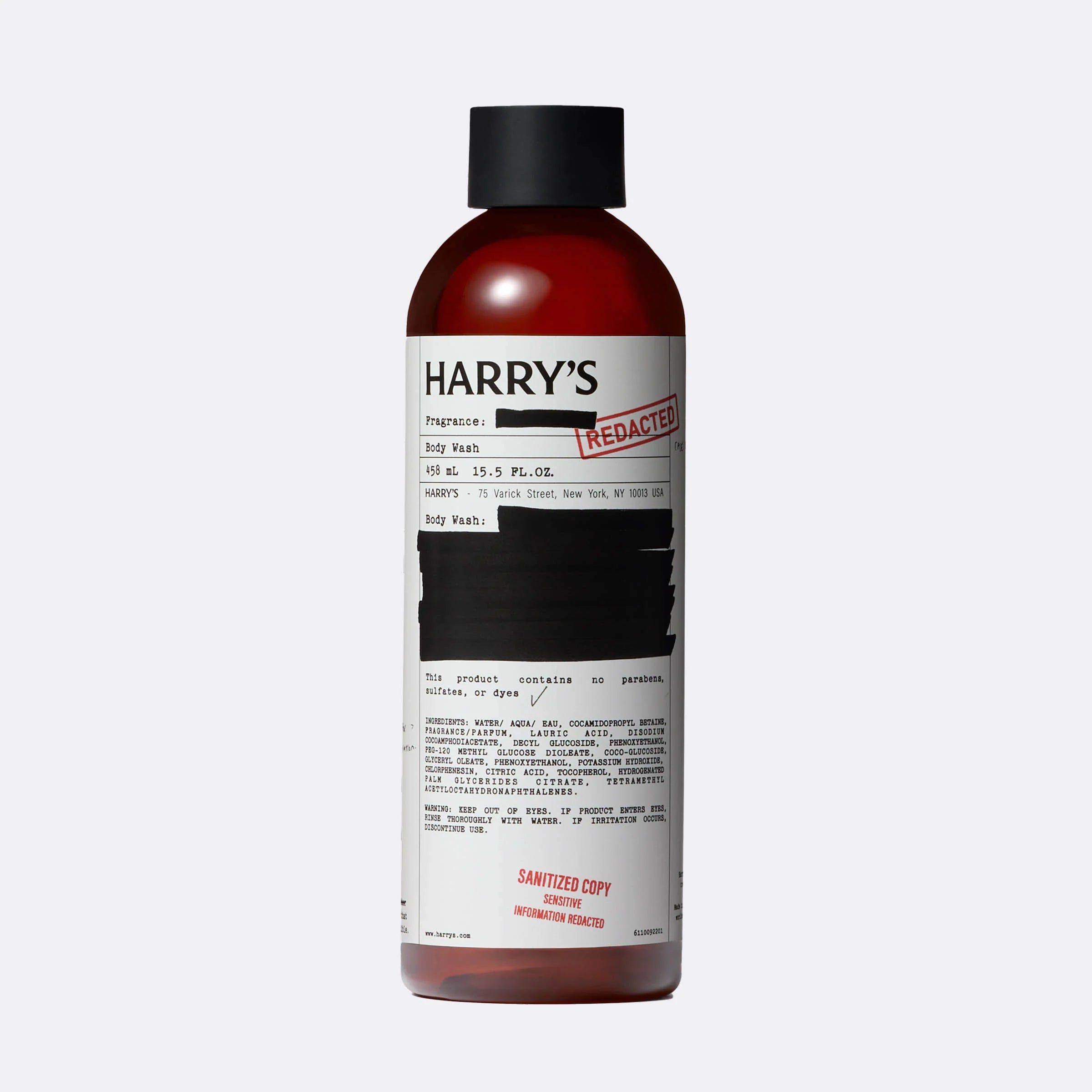
Apply a thin layer of a tattoo-specific ointment or an unscented moisturizer. Products with natural ingredients work well. For overall skin hydration, consider integrating Body Wash into your daily shower routine (keeping it away from the fresh tattoo until it heals).
Step 3: Protect from Sun and Friction
Keep your tattoo covered with loose clothing and avoid direct sunlight. Sunscreen is a must once the tattoo is fully healed.
Step 4: Listen to Your Skin
If the frost turns into excessive redness, oozing, or pain, consult a professional. Otherwise, let nature do its work.
Why Men Should Pay Attention to Tattoo Aftercare
Men often overlook skincare, but tattoo aftercare is non-negotiable. A well-maintained tattoo not only looks better but also ages better. Using quality grooming products can make a difference. For example, washing with a gentle cleanser like Bar Soap 4oz can help keep the surrounding skin clean without irritation. Remember, your tattoo is an investment—treat it with care.
Frequently Asked Questions About Tattoo Frost
How long does tattoo frost last?
Typically, 24 to 72 hours. If it persists longer, check with your artist or dermatologist.
Can I use numbing cream during tattooing to reduce frost?
Numbing creams can reduce pain, but they don’t prevent frost. In fact, some numbing creams may alter the skin’s reaction, so discuss with your artist beforehand.
Does tattoo frost affect the color of my tattoo?
No, the frost is purely a surface phenomenon. Once it fades, the tattoo’s true colors will emerge.
Conclusion
Tattoo frost is a natural, reassuring sign that your body is healing after getting inked. By understanding what it is and how to support it through proper aftercare, you can ensure your tattoo looks its best for years to come. Remember to use gentle, high-quality products and always follow your artist’s advice. For a complete skincare foundation that supports healing and everyday grooming, explore the Harryssale collection. Start with the 7-Step Skin Care Set to build a routine that your skin—and your tattoos—will thank you for.