How to Store Your Razor Blades for Maximum Longevity and Hygiene
By Harryssale | Published: 2026-05-27
Category: How-to Guides
Learn the best practices for storing razor blades to extend blade life, maintain sharpness, and prevent rust and bacteria. Expert tips on drying, organizing, and choosing the right shaving accessories.
Your razor blade is the hardest-working tool in your grooming routine. But if you're like most men, you probably leave it sitting on the bathroom ledge, wet and forgotten, until your next shave. That little habit could be costing you money, comfort, and hygiene. Proper razor blade storage is one of the simplest ways to double the life of your blades, reduce irritation, and keep your shave clean. In this guide, we'll walk you through everything you need to know about storing your razor blades for maximum longevity and hygiene—from drying techniques to bathroom organization tips.
Why Razor Blade Storage Matters
A razor blade is a precision instrument. Its edge is ground to a microscopic thinness, and even a tiny amount of moisture or debris can dull it quickly. When you leave a wet blade in a humid bathroom, water droplets sit on the edge, leading to oxidation (rust) and bacterial growth. Over time, rust pits the blade, making it rough against your skin. Bacteria from old skin cells and soap residue can also accumulate, increasing the risk of razor burn and infection. Proper storage keeps your blade sharp, clean, and safe for every shave.
How Improper Storage Shortens Blade Life
- Rust and Corrosion: Even stainless steel blades can rust if left wet. Rust creates microscopic nicks on the edge, causing tugging and irritation.
- Bacterial Build-Up: A damp blade is a breeding ground for bacteria. These microbes can transfer to your skin, leading to folliculitis or ingrown hairs.
- Dulling from Hard Water Minerals: In areas with hard water, mineral deposits can form on the blade, dulling it faster.
- Physical Damage: Tossing a loose blade into a drawer can chip or bend the edge, ruining it permanently.
Best Practices for Storing Razor Blades
Follow these golden rules to keep your blades in peak condition.
1. Always Rinse and Dry Your Blade After Use
After shaving, rinse the razor head thoroughly under hot water to remove all hair, shaving cream, and skin cells. Then, shake off excess water. The most important step is to dry the blade. You can gently pat it with a towel (careful not to cut yourself) or use a blow dryer on a cool setting. Many grooming experts recommend storing the razor outside the shower where air circulates freely.
2. Use a Blade Storage Solution
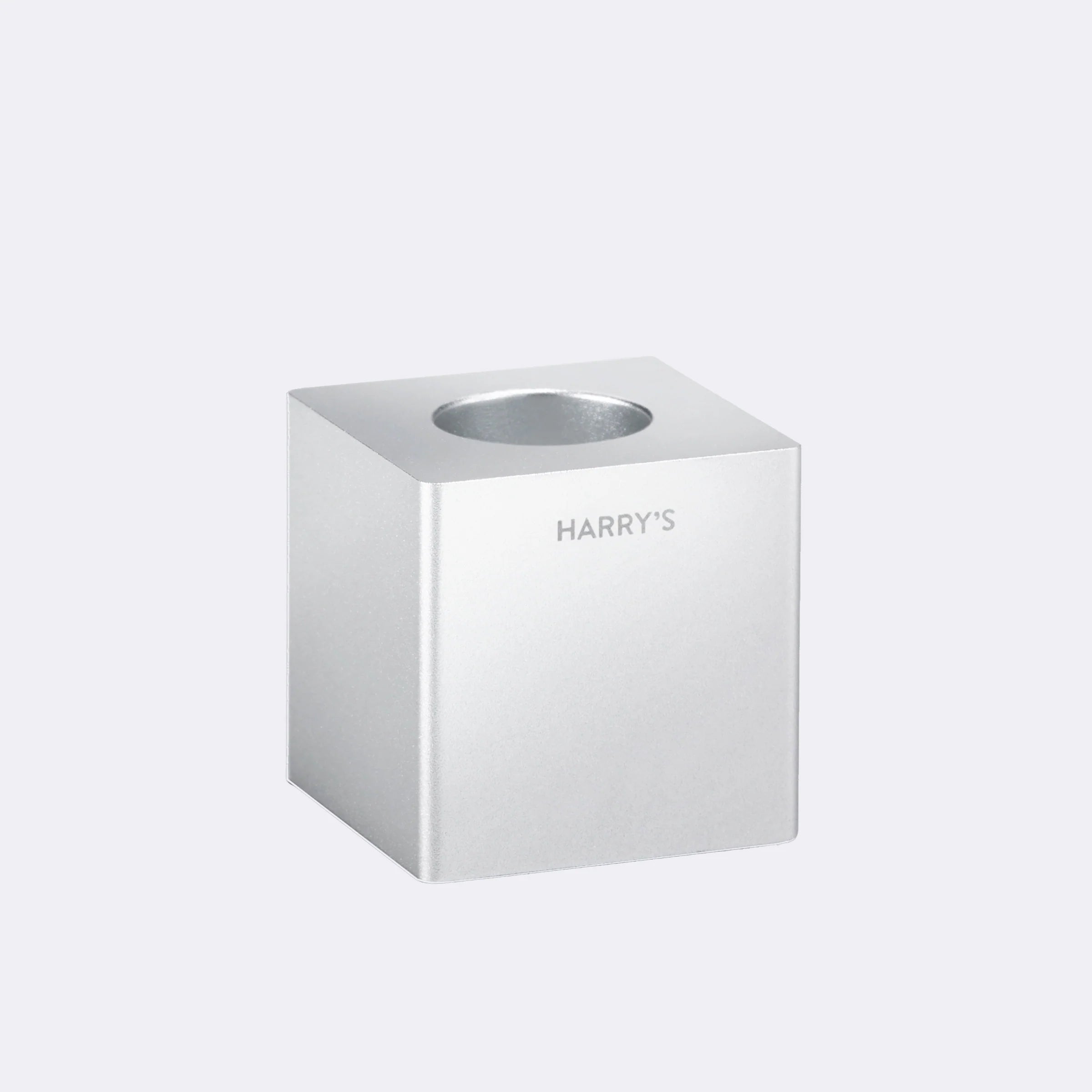
Don't let your razor sit on a wet shelf. Invest in a proper storage accessory. For example, a simple Harry's Original Handle is designed with a weighted, non-slip grip that makes it easy to stand upright in a drying stand or cup. Pair it with a magnetic or clip-on holder that keeps the blade elevated and aerated. You can also use a dedicated razor stand—many are sold as part of shaving accessories sets. The key is to allow airflow to reach every part of the blade.
3. Keep the Blade Away from Humidity
The bathroom is the most humid room in your home. Store your razor in a medicine cabinet or a ventilated drawer rather than on the sink edge. If you must keep it on the counter, place it in a small, open container filled with silica gel packets (the kind found in shoe boxes) to absorb moisture. You can also use a dedicated drying rack that clips onto the shower caddy.
4. Rotate Blades Regularly
Even with perfect storage, blades will eventually dull. A good rule of thumb is to replace your blade after 5–7 shaves, or sooner if you notice tugging. Mark your calendar or use a simple tracking system. If you shave daily, consider buying a multi-pack and rotating between two handles to give each blade time to dry completely.
5. Sanitize Your Blade Periodically
To keep your blade hygienic, dip it in rubbing alcohol after every few shaves. Alcohol evaporates quickly and kills bacteria. Never use bleach or harsh chemicals—they can damage the coating on the blade. A quick alcohol rinse followed by air drying is all you need.
Best Storage Options for Razor Blades
Let's look at the most popular storage methods and their pros and cons.
| Storage Method | Pros | Cons |
|---|---|---|
| Razor Stand (Countertop) | Elevates blade, allows airflow, looks tidy | Takes counter space, may get knocked over |
| Magnetic Wall Mount | Space-saving, keeps blade dry, easy access | Requires installation, not for all handles |
| Medicine Cabinet | Protects from humidity, out of sight | Limited space, may not dry fully if closed |
| Ventilated Drawer | Moisture-free, organized, discreet | Requires drawer organization insert |
| Travel Case | Portable, protects blade during trips | Can trap moisture if not dried first |
For most men, a simple stand or wall mount works best. If you travel frequently, consider a dedicated travel case that allows airflow—like the TSA Approved Travel Essentials, which includes a ventilated pouch for your razor and other grooming tools.
Common Mistakes to Avoid
Even with good intentions, many men make these storage errors.
- Leaving the blade in the shower. The constant steam and wetness will rust any blade within days.
- Storing a wet blade in a closed container. A sealed travel case with no vents creates a swamp—perfect for bacteria.
- Using a blade beyond its lifespan. Dull blades cause cuts, irritation, and ingrown hairs.
- Sharing razors. Even with good hygiene, sharing razors spreads bacteria and blood-borne pathogens.
- Neglecting to clean the handle. Soap scum and dead skin accumulate on the handle, which can transfer to the blade head.
How to Organize Shaving Accessories in Your Bathroom
Good razor storage is part of a larger bathroom organization system. Here's how to set up your space for optimal razor hygiene:
- Designate a shaving station. Keep your razor, brush, and shaving cream in one spot. Use a small tray or caddy.
- Use a drying rack or stand. This ensures the blade never sits in a puddle.
- Store blades away from heat sources. Heat can degrade lubricating strips on modern razors.
- Keep a backup blade in a dry, cool place. A drawer or cabinet works well.
- Consider a bundle for travel. Many brands offer sets that include a travel case, such as the Eye Refresh Bundle, which comes with a compact carrier for everyday essentials.
Blade Longevity and the Role of Shaving Cream
The type of shaving cream you use also affects blade life. Thick, creamy formulas with high lubricity reduce friction, meaning the blade glides more easily and stays sharper longer. A good Shave Gel creates a protective barrier that allows the blade to slide without scraping. Avoid cheap foams that dry out quickly—they force you to press harder, dulling the blade faster.
How to Tell When Your Blade Needs Replacing
Signs of a dull blade include:
- Pulling or tugging sensation during the shave
- Increased razor burn or red bumps
- Visible rust or discoloration on the edge
- A rough, uneven shave
- More passes required to get a close shave
If you notice any of these, it's time to swap blades. Don't wait—your skin will thank you.
Final Thoughts: The Easy Switch for Better Shaves
Proper razor blade storage doesn't require fancy gadgets—just a few simple habits. By rinsing, drying, and storing your blade in a ventilated spot, you can double its life, save money, and enjoy a smoother, more hygienic shave every time. Small changes in your bathroom organization can make a big difference in your grooming routine.
Ready to upgrade your shave setup? Explore the Harry's Original Handle—a durable, ergonomic handle that pairs perfectly with any storage system. Its design makes it easy to stand upright for quick drying, helping you get the most out of every blade. Start storing smarter today.