Electric vs. Manual Razor: Which One Gives a Closer Shave?
By Harryssale | Published: 2026-05-27
Category: Industry News
Discover the key differences between electric and manual razors for a close shave. Compare comfort, cost, and technique to choose the best grooming tool for your skin.
For decades, men have debated the age-old grooming question: electric razor vs manual razor – which delivers the superior shave? While both tools have passionate advocates, the answer isn't one-size-fits-all. Your skin type, hair texture, daily routine, and even your bathroom sink space all play a role. In this comprehensive guide, we break down the science, the technique, and the real-world results to help you decide which razor deserves a spot in your daily grooming arsenal.
The Anatomy of a Close Shave
Before we compare, it's essential to understand what makes a shave feel “close.” A close shave means the blade cuts hair as short as possible at the skin's surface, ideally without causing irritation, nicks, or ingrown hairs. Manual razors use one or more exposed blades that slice hair at the skin level, while electric razors rely on oscillating or rotating blades behind a foil or under a guard. The former typically cuts closer because the blade makes direct contact with the skin, but that proximity also increases the risk of irritation. The latter offers a safer, more forgiving shave but often leaves a minute stubble behind.
Manual Razors: The Gold Standard for Closeness
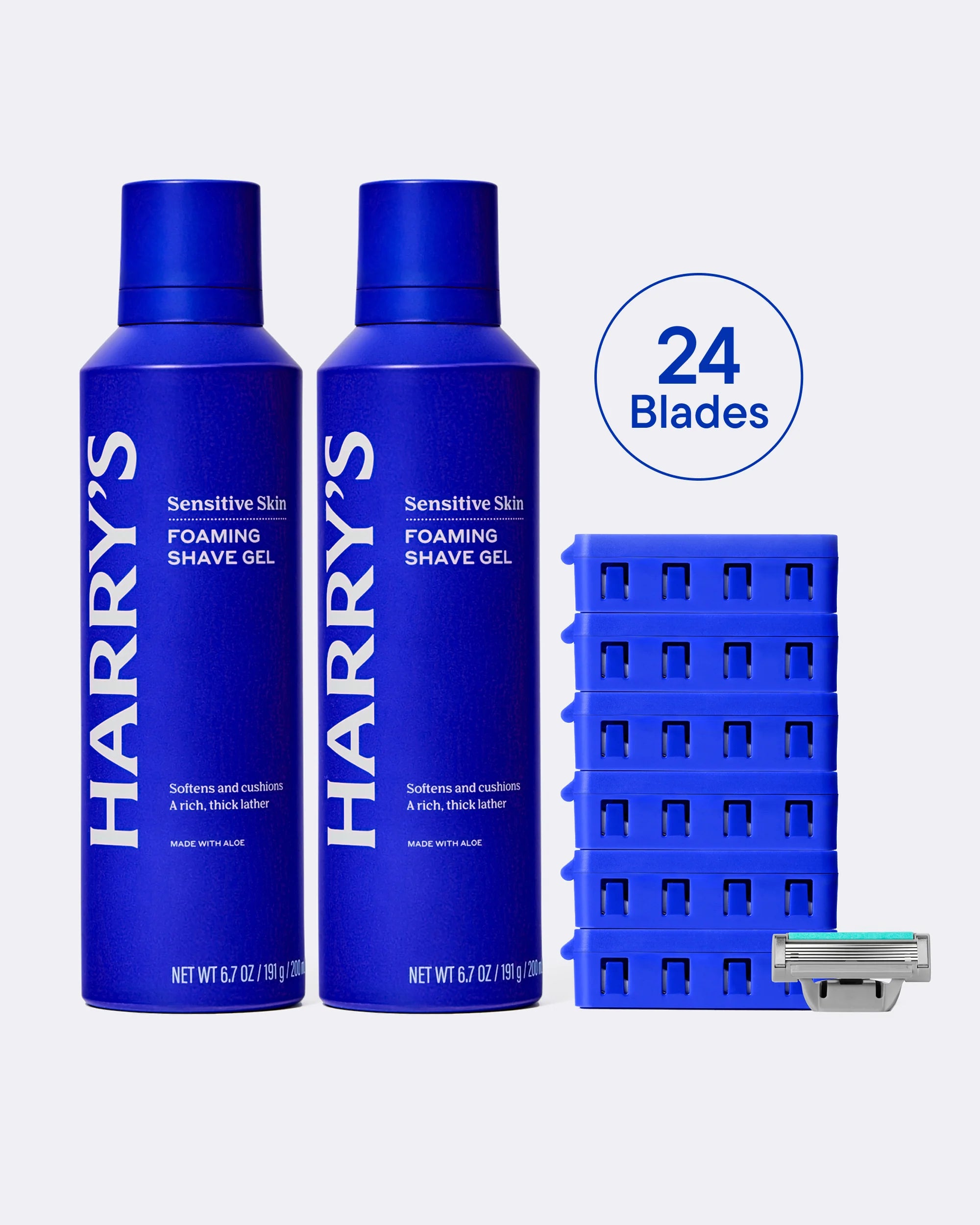
If your top priority is a baby-smooth finish, manual razors almost always win. The blade sits directly against your skin, cutting hair at the lowest possible point. Many modern manual razors, like the Harry's Original Blades & Shave Gel, combine precision-engineered blades with lubricating strips to minimize friction. A good shave cream or gel – such as the Shave Cream – helps soften hair and lift it away from the skin, allowing the blade to glide effortlessly. For men with thick or coarse facial hair, manual razors offer the control to tackle tough spots like the jawline and chin.
Pros of Manual Razors
- Superior closeness: Achieves the smoothest finish possible.
- Precision: Ideal for shaping sideburns, beards, and edges.
- Exfoliation: The blade removes dead skin cells, promoting a brighter complexion.
- Cost-effective long-term: Refill blades are cheaper than replacing an entire electric unit.
Cons of Manual Razors
- Time-consuming: Requires pre-shave prep (warm water, lather) and post-shave care.
- Irritation risk: Beginners or those with sensitive skin may experience razor burn, nicks, or ingrown hairs.
- Messy: Needs water, sink, and proper cleanup.
- Blade disposal: Frequent blade changes create waste.
Electric Razors: Speed and Convenience with Trade-offs
Electric razors have come a long way. Modern foil and rotary shavers can deliver a remarkably close shave – often close to a manual blade – but they rarely match the skin-level smoothness. The main advantage is speed: you can dry-shave in a few minutes, no water or mirror required. For men with light or fine hair, electric razors can be nearly as effective as manual ones. However, for coarse or curly hair, electric razors often leave a visible 5 o'clock shadow by midday.
If you travel frequently or have a busy morning routine, an electric razor is a game-changer. Pair it with a dedicated travel accessory like the Harry's Plus Travel Blade Cover to keep your blades protected on the go – even if you lean toward manual shaving for home use.
Pros of Electric Razors
- Fast and convenient: Shave dry or with minimal preparation.
- Low irritation: Reduced risk of cuts, razor burn, and ingrown hairs.
- Portable: Great for travel, gym bags, or quick touch-ups.
- Less waste: No disposable blades; only the unit needs replacing every few years.
Cons of Electric Razors
- Less close: Typically leaves a stubble feel.
- Higher initial cost: Quality electric razors can be expensive.
- Less precise: Harder to achieve clean lines or detail work.
- Battery dependency: Dead battery = no shave.
Head-to-Head Comparison: Electric vs Manual Razor
| Factor | Manual Razor | Electric Razor |
|---|---|---|
| Closeness of shave | Excellent – cuts hair at skin level | Good – leaves slight stubble |
| Shave time | 5–10 minutes (with prep) | 2–5 minutes (dry) |
| Irritation | Moderate to high (depends on technique) | Low to moderate |
| Precision | High | Low to moderate |
| Cost per shave | Low (with reusable handle) | Medium (upfront investment, then low) |
| Suitable for sensitive skin | With proper products, yes | Generally yes |
| Portability | Moderate (needs water) | Excellent (cordless) |
| Best for coarse/thick hair | Yes | Less effective |
How to Choose the Right Razor for Your Skin and Hair
Your choice should hinge on three factors: hair type, skin sensitivity, and lifestyle.
For Coarse or Thick Hair
Manual razors are your best bet. The blade cuts through dense hair efficiently, and you can control pressure and angle. Pair your manual razor with a quality shave cream or gel to reduce drag. The Shave Cream is formulated to hydrate and soften even the toughest stubble, making your manual shave smoother and less irritating.
For Sensitive or Acne-Prone Skin
Electric razors often cause less friction and trauma. If you must use a manual razor, invest in a high-quality blade with a lubricating strip and always shave with the grain. Avoid multi-blade cartridges that can tug and cause inflammation.
For Busy Professionals or Frequent Travelers
An electric razor is the ultimate time-saver. Pack it in your carry-on without worrying about gels or water restrictions. For those who want the best of both worlds, consider using an electric razor for quick daily touch-ups and a manual razor once or twice a week for a deeper, close shave.
Tips for Getting the Best Shave from Either Tool
- Prep your skin: Always wash your face with warm water to soften hair and open pores.
- Use proper lubrication: For manual shaving, apply a thick, slick shave cream. For electric shaving, use a pre-shave powder or lotion if you shave dry.
- Replace blades regularly: Dull blades cause more irritation. Change manual blades every 5–10 shaves, and replace electric foil/heads every 6–12 months.
- Shave in the right direction: With manual razors, shave with the grain first, then across for closeness. Electric razors work best with circular or back-and-forth motions, depending on the model.
- Moisturize afterward: Apply an alcohol-free aftershave balm or moisturizer to soothe and hydrate.
Final Verdict: Which One Wins?
If you demand the absolute closest shave – for a special event, date night, or personal preference – a manual razor is unbeatable. It offers precision, control, and the smoothest finish. On the other hand, if you value speed, convenience, and less irritation, an electric razor is a worthy companion. Many men keep both in their rotation: a manual razor for weekend grooming and an electric razor for weekday mornings. The key is to listen to your skin and choose the tool that makes you feel confident and comfortable.
Ready to upgrade your manual shaving experience? Explore the Harry's Original Blades & Shave Gel – a complete system designed to deliver a close, comfortable shave every time. Your skin will thank you.