5 Common Shaving Mistakes That Cause Razor Burn and How to Fix Them
By Harryssale | Published: 2026-05-24
Category: How-to Guides
Discover the top 5 shaving mistakes that lead to razor burn and irritation. Learn practical fixes for a smoother, healthier shave with expert men's shaving tips.
Razor burn—that angry red rash, stinging sensation, and unsightly bumps—can turn a simple grooming routine into a painful chore. If you've ever wondered why your skin rebels after shaving, you're not alone. The truth is, most cases of razor burn stem from a handful of common shaving mistakes that are easy to avoid once you know what to look for. In this guide, we'll walk you through the five biggest culprits behind razor burn and, more importantly, how to fix each one. Whether you're a shaving veteran or just starting out, these men's shaving tips will help you achieve a smooth, comfortable shave every time.
Mistake #1: Skipping Pre-Shave Preparation
One of the most frequent common shaving mistakes is jumping straight into the shave without properly prepping your skin and hair. When you shave dry or with minimal preparation, the razor drags across the skin, causing friction and micro-cuts that lead to razor burn. Your beard hair needs time to absorb moisture and soften; otherwise, it remains stiff and challenging to cut, forcing the blade to tug rather than glide.
How to Fix It
Start by washing your face with warm water and a gentle cleanser to remove dirt and oil. Then, apply a warm, damp towel to your face for 30–60 seconds, or shave right after a hot shower. This hydrates the hair and opens up pores. Always use a high-quality shaving cream or gel to create a protective barrier. For extra softness, consider using a dedicated pre-shave oil. Remember: patience pays off. A well-prepped face can reduce razor burn by more than half.
Mistake #2: Using a Dull or Old Razor Blade
Another classic offender is shaving with a blade that has seen better days. A dull blade doesn't cut cleanly—it tugs, pulls, and skips across the skin, causing irritation and ingrown hairs. Many men try to stretch the life of their cartridges to save money, but this often backfires with painful results. Regularly changing your blade is one of the simplest ways to prevent razor burn.
How to Fix It
Replace your razor blade after 5–7 shaves, or sooner if you notice any tugging. If you're looking for a reliable and ergonomic option, the Harry's Plus Handle paired with fresh replacement cartridges ensures a precise, smooth cut every time. The handle's weighted design and non-slip grip also help you maintain consistent pressure, reducing the risk of irritation.
Mistake #3: Shaving Against the Grain
Shaving against the direction of hair growth might give you a closer shave in theory, but it's a surefire way to invite razor burn. When you shave against the grain, the blade cuts the hair below the skin surface, causing it to curl back and become ingrown. The repeated friction also inflames the hair follicles, leading to redness and bumps.
How to Fix It
Always shave in the direction your hair grows (with the grain) for the first pass. If you need a closer shave, re-lather and shave across the grain (perpendicular to hair growth) for a second pass. Avoid going against the grain entirely, especially on sensitive areas like the neck. This small change can dramatically reduce irritation and is one of the most effective men's shaving tips for sensitive skin.
Mistake #4: Applying Too Much Pressure
Many men believe that pressing harder with the razor equals a closer shave. In reality, excessive pressure does the opposite—it pushes the blade into the skin, causing nicks, cuts, and the classic signs of razor burn. The razor's weight should do the work; your only job is to guide it gently.
How to Fix It
Use a light, gliding touch. Imagine you're shaving off a thin layer of foam without disturbing the skin underneath. A quality razor with a well-designed handle can help you control pressure naturally. For example, the Harry's Original Value Pack features a balanced handle and precision blades that make it easier to shave with minimal force. Pair it with a lubricating shave cream to further reduce friction.
Mistake #5: Neglecting Post-Shave Care
Even if you avoid all the other mistakes, skipping post-shave care can undo all your hard work. Your skin is vulnerable and irritated immediately after shaving. Without proper soothing and hydration, razor burn can set in quickly. Many men wash off the remaining shaving cream and walk away, but that's a missed opportunity to calm and protect the skin.
How to Fix It
Rinse your face with cool water to close pores and remove any leftover shaving residue. Then, apply an alcohol-free post-shave balm to hydrate and soothe. A product like the Post-Shave Balm 3.4oz is formulated with soothing ingredients that reduce redness and replenish moisture without clogging pores. For an extra cooling effect, store the balm in the refrigerator. Finish with a gentle moisturizer if your skin feels tight.
Bonus Tips for Razor Burn Prevention
Beyond fixing these five mistakes, here are a few extra strategies to keep your skin calm:
- Exfoliate regularly: Use a gentle facial scrub 2–3 times a week to remove dead skin cells and prevent ingrown hairs.
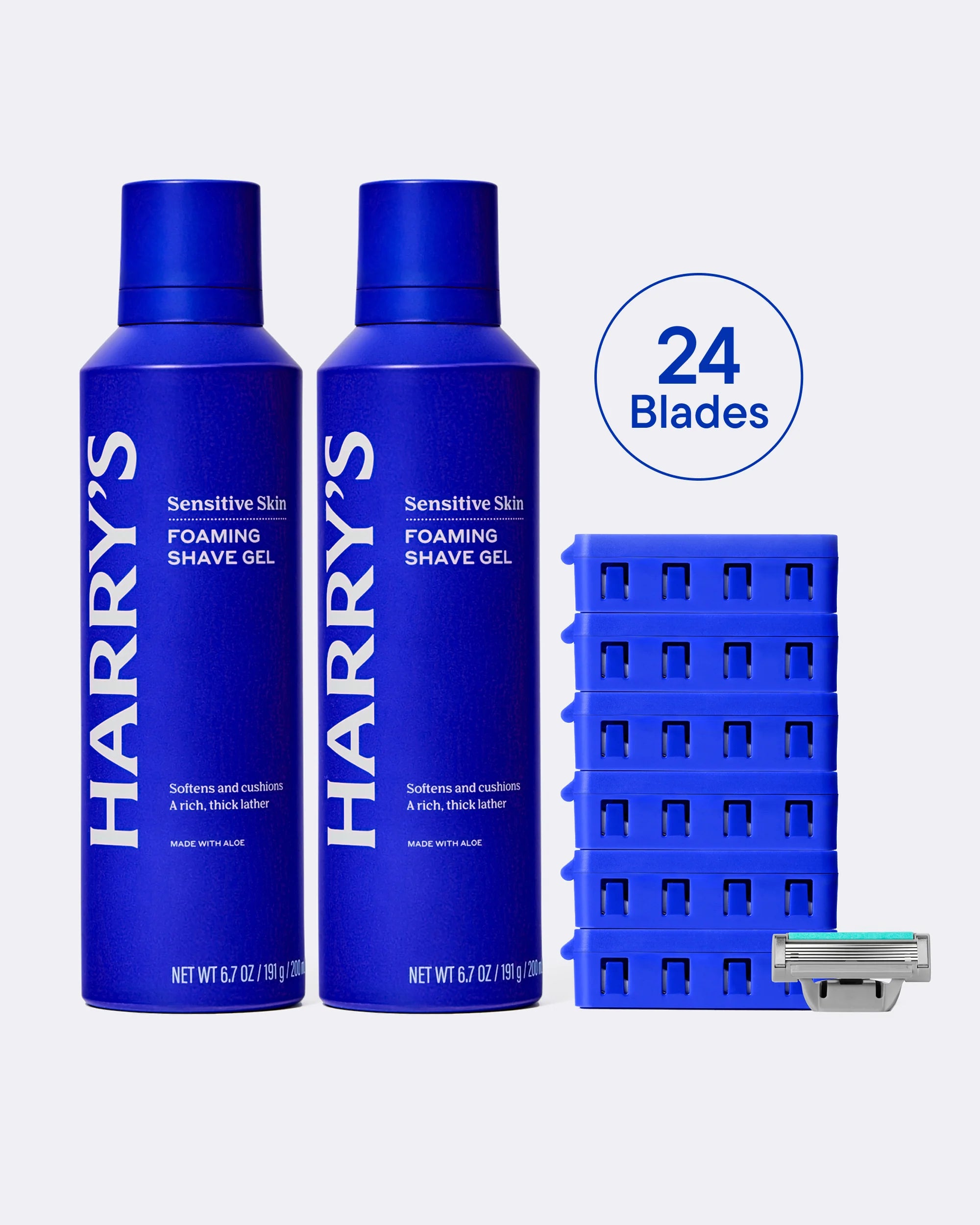
- Choose the right shaving cream: Avoid products with alcohol or harsh fragrances. Look for natural ingredients like aloe vera or shea butter.
- Use a sharp blade every time: As mentioned earlier, a fresh blade is your best friend. Don't hesitate to swap cartridges frequently.
- Let your skin rest: If you already have razor burn, give your face a break from shaving for a day or two to allow healing.
When to See a Dermatologist
Occasional razor burn is common, but if you experience chronic irritation, severe bumps, or signs of infection (like pus or spreading redness), it's time to consult a dermatologist. They can rule out conditions like pseudofolliculitis barbae or contact dermatitis and recommend prescription treatments if needed.
Final Thoughts
Razor burn doesn't have to be an inevitable part of your shaving routine. By addressing these five common shaving mistakes—skipping prep, using dull blades, shaving against the grain, applying too much pressure, and neglecting post-shave care—you can dramatically improve your skin's health and comfort. Small adjustments in your technique and product choices can make a world of difference.
Ready to upgrade your shaving game? Explore the Harry's Original Value Pack for a complete set of tools designed to give you a smooth, irritation-free shave every time. Your skin will thank you.